




- Complete All NDIS Prompts:
Fill in every prompt on the NDIS assistive technology assessment template. The NDIS needs all relevant details to make their funding decision. - Explain the Need in Clear, Everyday Language:
Avoid jargon. Use simple, clear language to explain why the bed is necessary and how it will improve the client’s quality of life and meet the client’s goals. It’s helpful to think of explaining it to a family member who’s not familiar with assistive technology. - Ensure the Bed Meets NDIS “Reasonable and Necessary” Criteria:
The NDIS will only fund supports that meet all key criteria, including:- For your disability needs: The bed must be necessary because of the impact of your disability (not a medical condition).
- Supports your goals: The bed should help with personal goals and aspirations.
- Helps with participation: It should assist in social or economic participation.
- Value for money: If there are cheaper alternatives that achieve the same outcome, the NDIS won’t fund the bed. You may need to compare the cost of the bed to the cost of other supports, such as overnight care.
- Effective and beneficial: It must have a proven positive impact for the client.
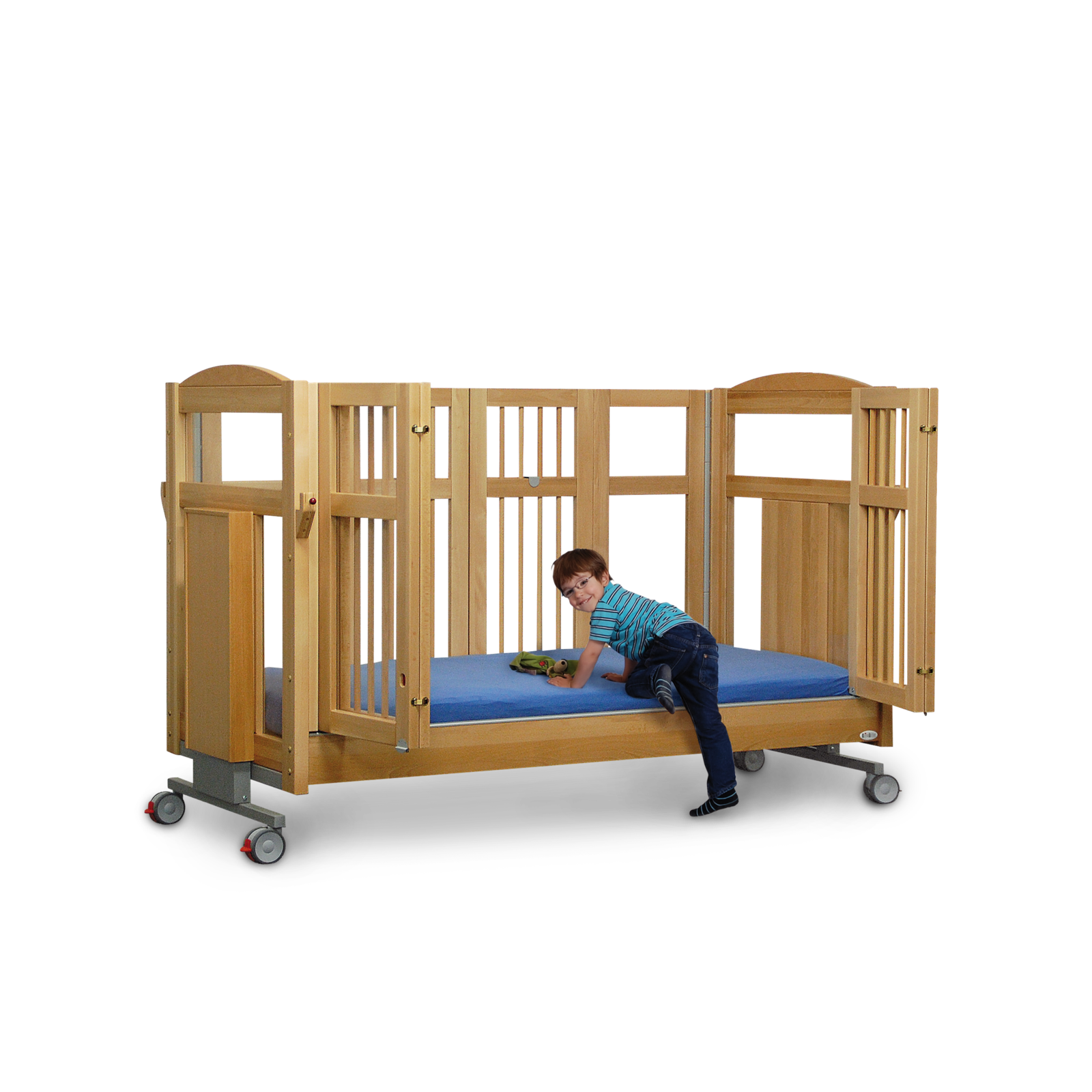
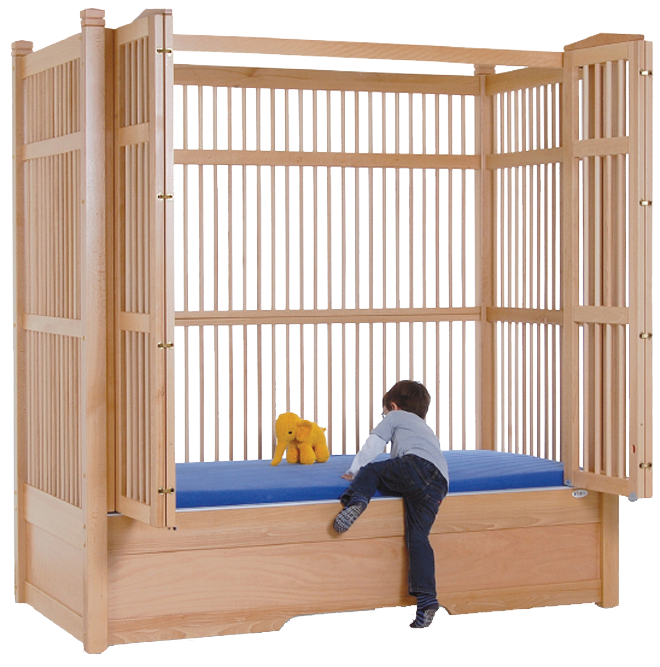 Safe Surround Bed
- Highlight Non-Negotiable Features (Section 3.3.2):
Be specific about any features of the Safe Surround or SafeSpace bed that are essential for your client. For example, if your client needs a solution without a canopy, explain why this is crucial for their comfort or safety. - Evaluate Other Options (Section 3.4):
If you’ve considered other options (such as modifying the current bed or trying a different product), clearly explain why they aren’t suitable. Record and compare these alternatives to justify why the high-sided bed you are recommending is the best choice. - Mention Lesser Restrictive Options:
If there are other solutions, like bed alarms or floorline beds, that could address similar needs, mention them. This strengthens your case for why the high-sided bed is the most appropriate choice. - Client Feedback and Trials:
Trials provide valuable insights into whether the bed will meet the client’s needs. If possible, have your client try the bed or similar products. Some suppliers offer extended trials, sometimes at no extra cost. - Include Supporting Letters and Research:
Your client or their caregivers can submit research or letters explaining their experiences with similar items, which can help reinforce the need for the bed. There is also a section for this information in the NDIS application template. - Obtain a Quote for the Bed:
Get a detailed quote for the Safe Surround or SafeSpace bed and include it with your application to the NDIS. This will help the NDIS assess the cost for approval. - Follow Up on the Application:
While the NDIS approval process may take time, it’s a good idea to follow up after a couple of months. If additional information is requested, be prepared to provide it to help move the process along.
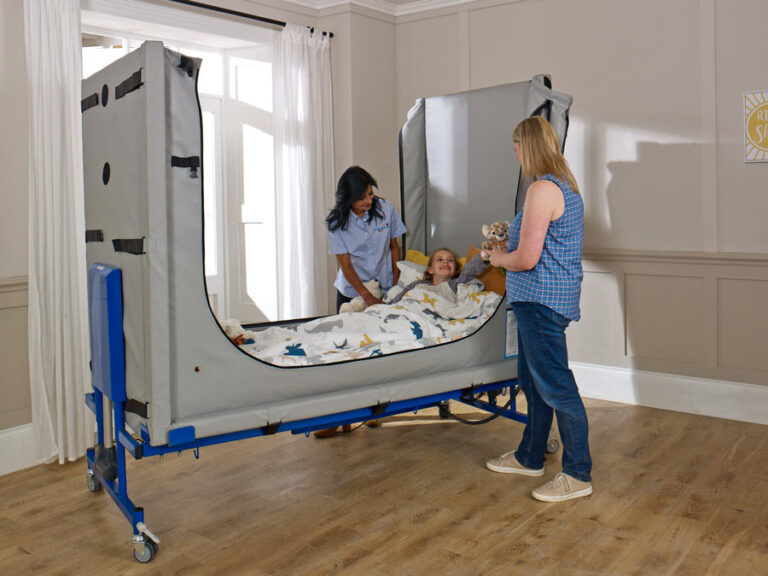
Cosyfit Hi-Lo Bed
By making sure your application is thorough and meets all of the NDIS criteria, you’ll increase your chances of receiving the necessary funding for the Safe Surround or Safespace bed.
Missed the earlier blogs of the series? Read Part One and Part Two for advise from assessment through to setup of high-sided beds.
Download this article!
Disclaimer: This information is provided for professional use only,
and as a general resource for clinicians and suppliers.
It is not intended to be used as, or as a substitute for, professional medical advice, diagnosis or treatment.
Clinicians should rely on their own professional medical training when providing medical advice or treatment,
and should consult a range of different information sources before making decisions about the diagnosis or treatment of any person.
Your use or reliance on this information is at your own risk.