




Navigating Funding & Choosing the Right High-Sided Bed: A Three-Part Guide
Applying for funding and selecting the right assistive equipment can feel overwhelming, but we’re here to help. In this three-part blog series, we’ll guide you through the process:
Part One: We’ll break down the funding application process in Australia, covering everything from assessments and goal-setting to completing your application with confidence.
Part Two: We’ll explore the various options for high-sided beds, including the Safe Surround and Safespaces ranges. You’ll find practical tips to help you choose the best fit for your loved one, along with key considerations for delivery and setup to ensure a seamless experience.
Part Three: We’ll share ten expert tips and tricks to help ensure your application is a success.

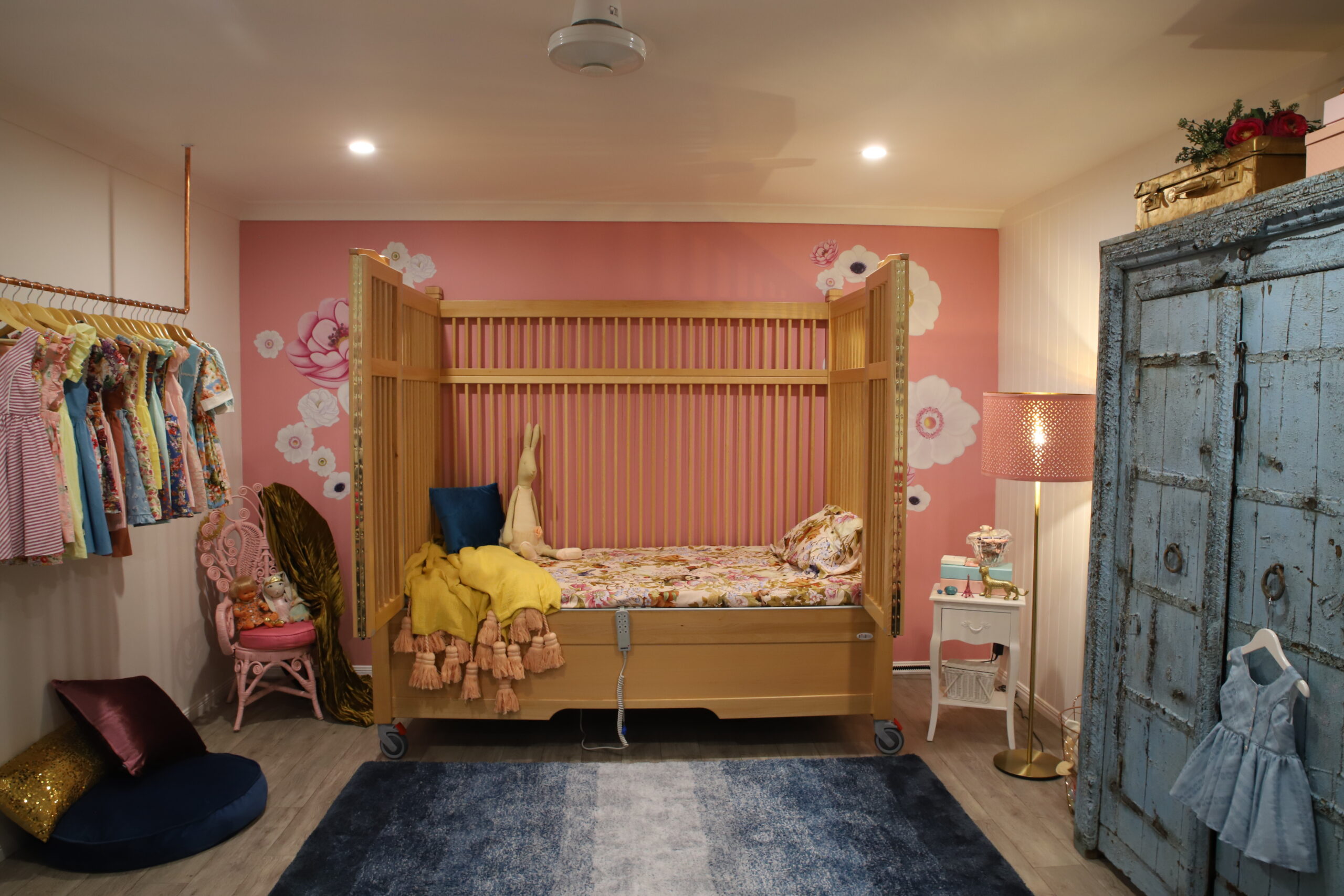
The Safespace: A soft, flexible sleep and relaxation space.
Who provides funding for high-sided beds in Australia?
Launched in Australia in 2016, the National Disability Insurance Scheme (NDIS) has transformed the lives of people with disabilities and their support networks. The NDIS provides funding to eligible people for equipment and support that they require, providing it meets all reasonable and necessary criteria.
Applying for Funding: What’s the Process?
1) Assessment with an AT Advisor
The first step in exploring options for high-sided beds is to undertake a thorough assessment with a prescribing assistive technology (AT) advisor. This is typically an occupational therapist or physiotherapist, who can assess the individual’s unique needs and recommend the most suitable solution.
The assessment helps everyone understand what’s not working about the current bed and sleeping environment. Some examples might include:
Safety concerns:
- The person needs assistance to safely transfer to or from their bed.
- There is a risk of them trying to leave the property overnight.
- They can access certain areas of the home which usually require supervision, e.g. the kitchen.
Behaviours of concern:
- The person has a history of hitting or banging body parts on their bed, which lacks any padding to help minimise the risk or severity of injury.
Risk of burn-out for informal supports:
- The person’s informal supports may be experiencing broken or limited sleep due to being up at night redirecting them back to bed. This can make it difficult to manage other responsibilities, such as maintaining employment, and may ultimately jeopardise their ability to continue providing care at home.
Manual handling risks:
- Personal care activities on the current bed could put others at risk of injuries due to its height, which can cause poor posture or extra strain during transfers.
Incompatibility with other equipment:
- The person might need a bed with enough clearance underneath to fit a mobile hoist.
- They might need a bed without a canopy to allow for transfer equipment to be used during care routines.
- A wheelchair user can’t get close enough to their child’s bed to help them with everyday tasks like getting dressed or share special moments like reading a bedtime story together.
2) Trial Alternative Solutions
As part of the assessment, it’s important to trial lower cost or less restrictive options which could address the issues with the current bed and sleep space. This is a crucial step, as if you’re hoping to apply for NDIS funding to purchase a high-sided bed, your AT advisor will need to include the options have already been trialled and explain why these were not successful.
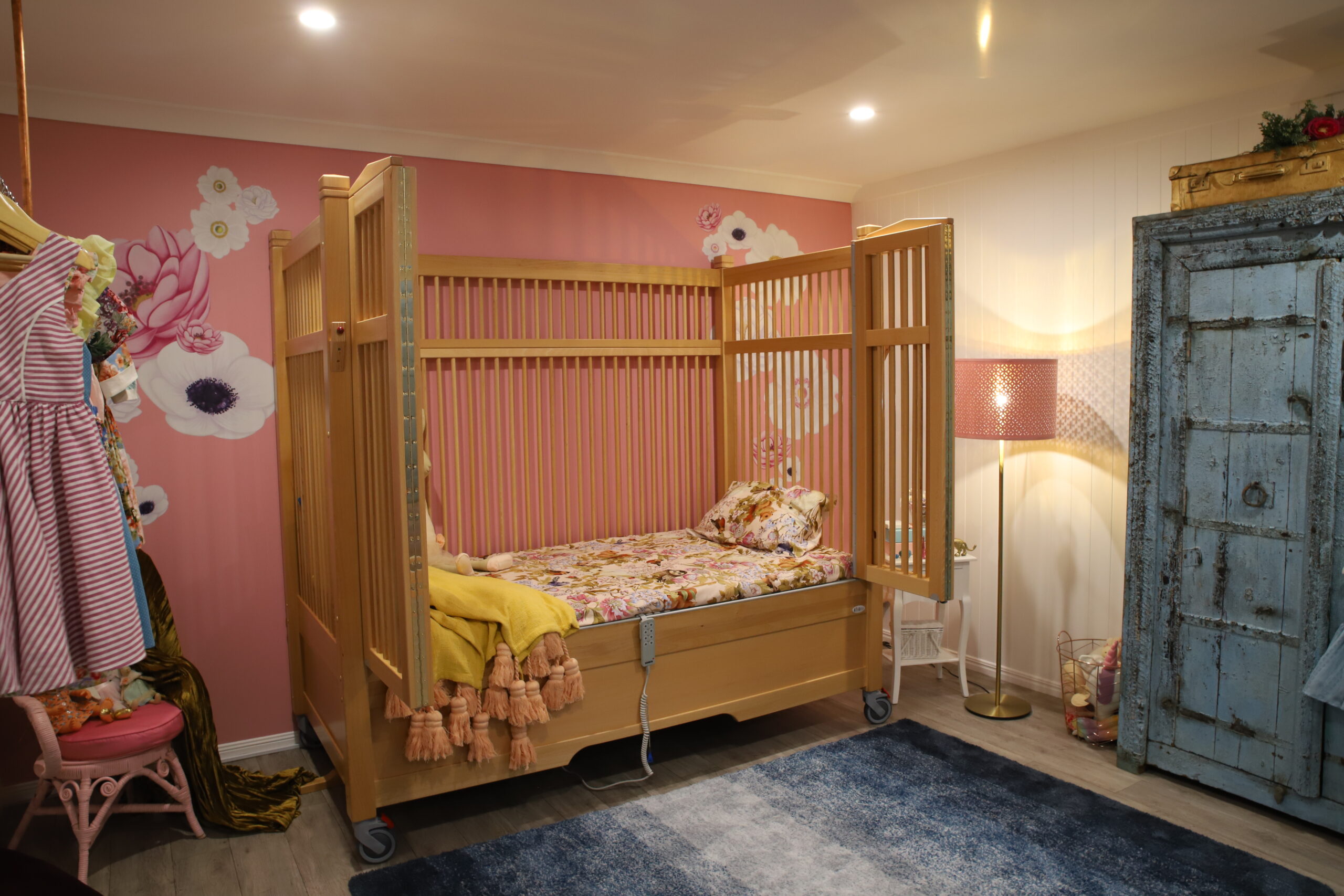
Set up of the Safe Surround Bed
3) Set Measurable Goals
Now the assessment process is complete, the next step is to work with your AT advisor to set some clear and measurable goals, specific to the activity of sleep. These goals will play another important role in your funding application – your AT advisor will need to demonstrate how the recommended bed aligns with these goals to achieve the desired outcomes when they write the application.
4) Understanding Restrictive Practices: What to Do if You’re Considering a High-Sided Bed
You may have heard that a high-sided bed is considered a restrictive practice, but don’t worry, we’re here to explain what that means and what steps you need to take.
The NDIS rules say that restrictive practices should only be used as a last resort, when necessary to reduce risks of harm to the person or others. If your loved one doesn’t already have a Behaviour Support Practitioner, they’ll need to be referred for Positive Behaviour Support. This process helps to understand why certain behaviours happen, by consulting with the person, their family, carers, and other support networks.
After the assessment, the Behaviour Support Practitioner will create a Positive Behaviour Support Plan. This plan will outline strategies to improve your loved one’s quality of life and may include the use of the Safe Surround Genie or Plus bed, or an option from Safespaces. It’s important that the therapist notes which other options were considered before choosing this bed, as the NDIS requires this information.
To ensure everything runs smoothly, the Positive Behaviour Support Plan should be included with the assistive technology assessment. It’s crucial that the Safe Surround or Safespaces bed is mentioned in the plan – if it’s not, it could cause delays in the NDIS processing your application.
If there are delays in accessing a Behaviour Support Practitioner due to waitlists, you can still submit the application for the bed. Just make sure the report clearly explains why the bed is needed and what attempts have been made to access Positive Behaviour Support services.
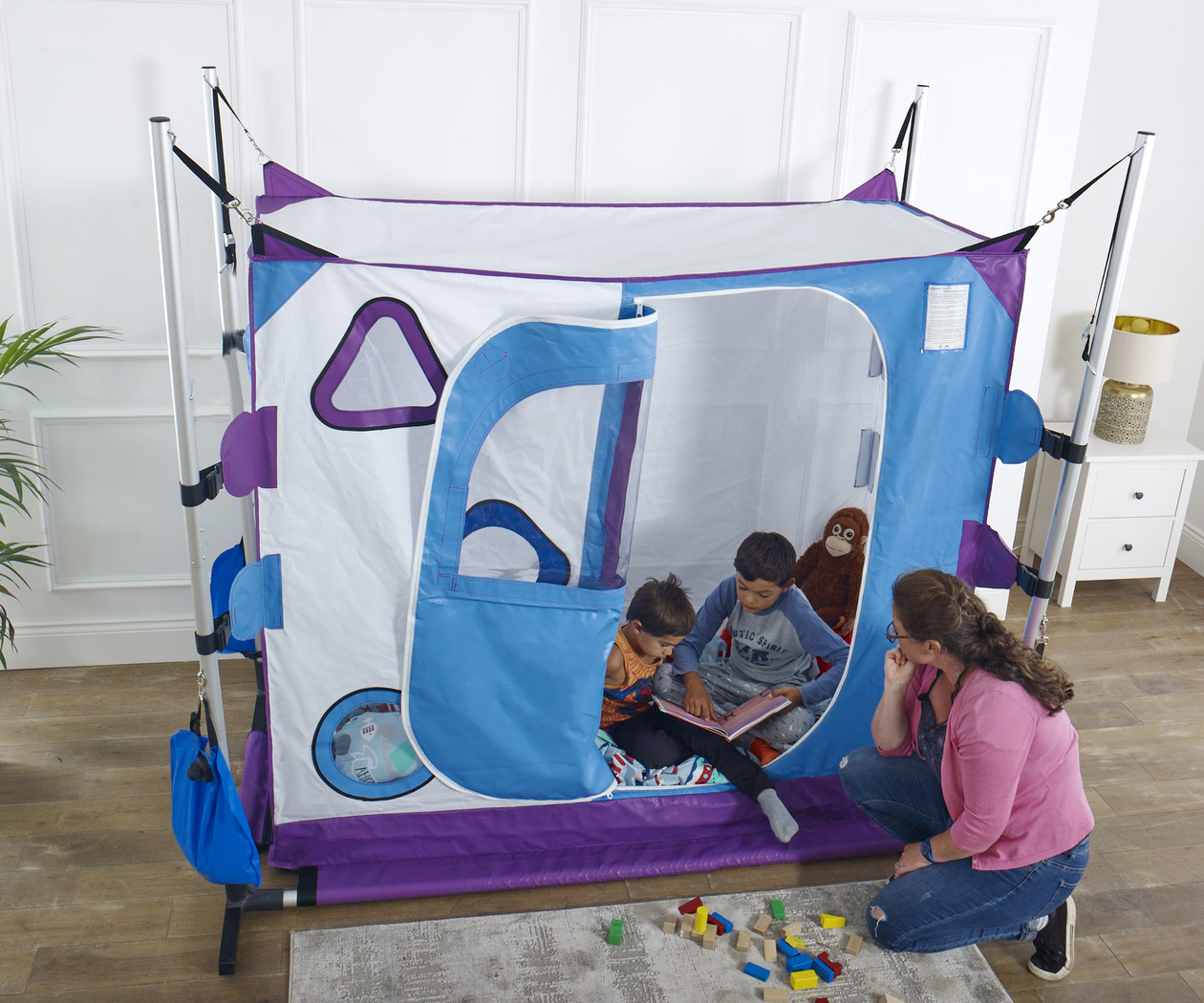
The Voyager: Travel Bed
5) Complete the Application
When applying for NDIS funding for a Safe Surround or Safespace bed (which are valued over $15,000), it’s important to complete a full application. A supporting letter from a therapist alone won’t be enough for high-cost items like these and could increase the chances that your funding request is declined. Your assistive technology advisor will need to use the NDIS application template to apply for funding.
Read Part Two, where we’ll explore the different high-sided bed options, including the Safe Surround and Safespaces ranges. Then, in Part Three, we’ll share expert tips and tricks to help ensure your application is a success.