

People often look at sport and see outcomes. Times. Placings. Results. What they don’t always see is how much of sport happens long before anything is visible, and how much of it carries into life well beyond the track. The work that shapes performance rarely announces itself. It happens through repetition, through discipline, and through the choices you make when no one is watching.
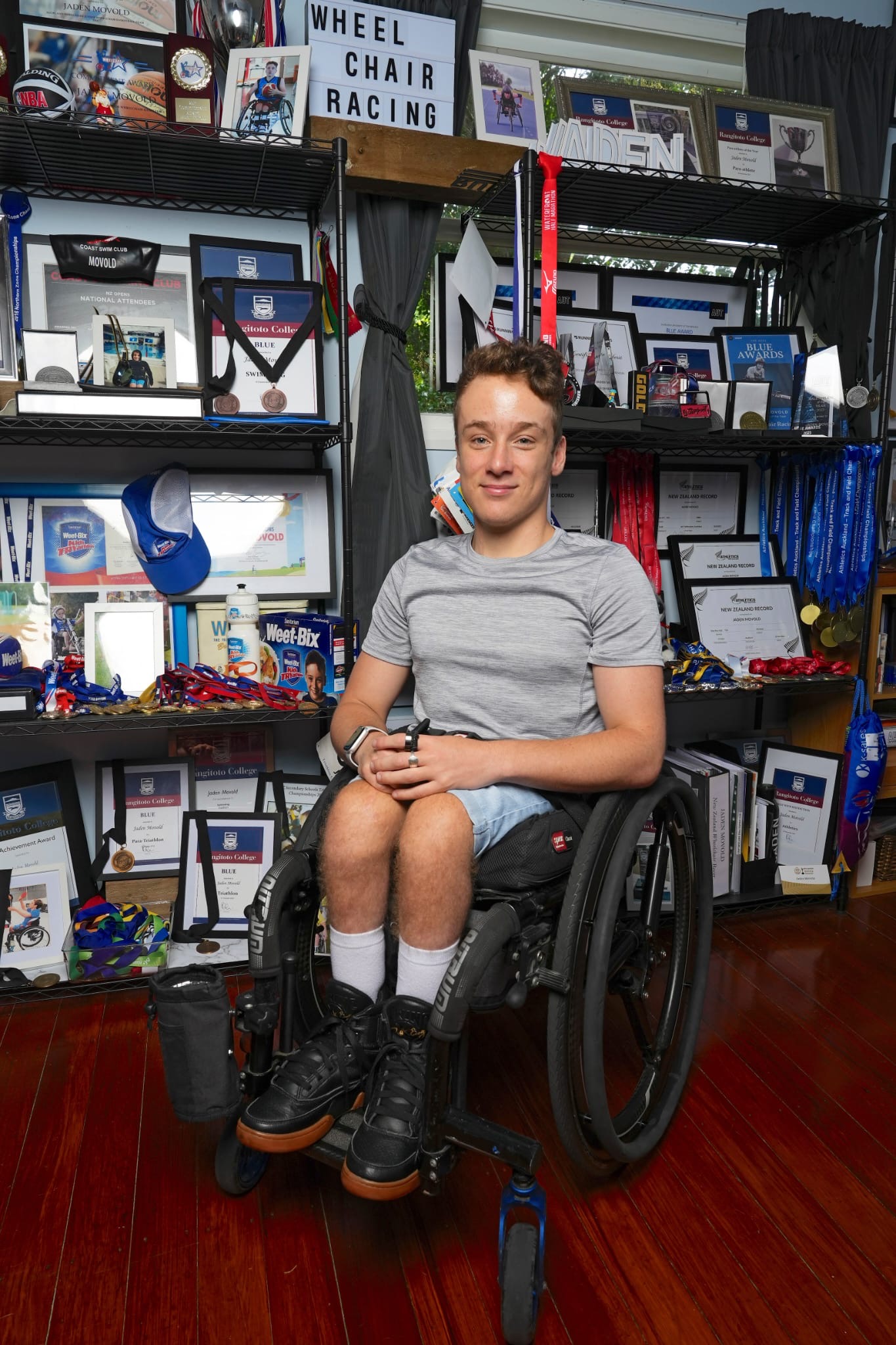
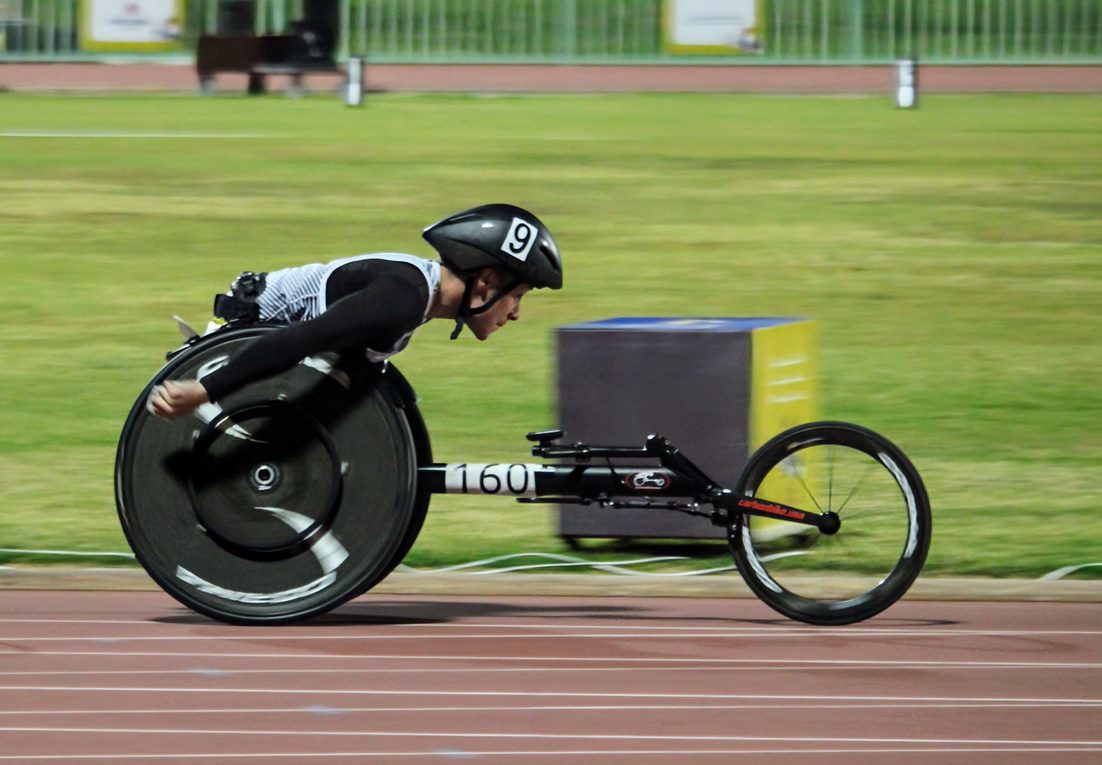
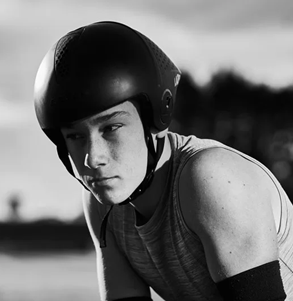
For me, wheelchair racing has been one of my greatest teachers, not because of what it has given me publicly, but because of the skills it quietly built long before I needed them elsewhere. Long before podiums or international competitions, sport taught me to approach pressure, responsibility, and growth in ways that now influence almost every part of my life.
Preparation builds confidence
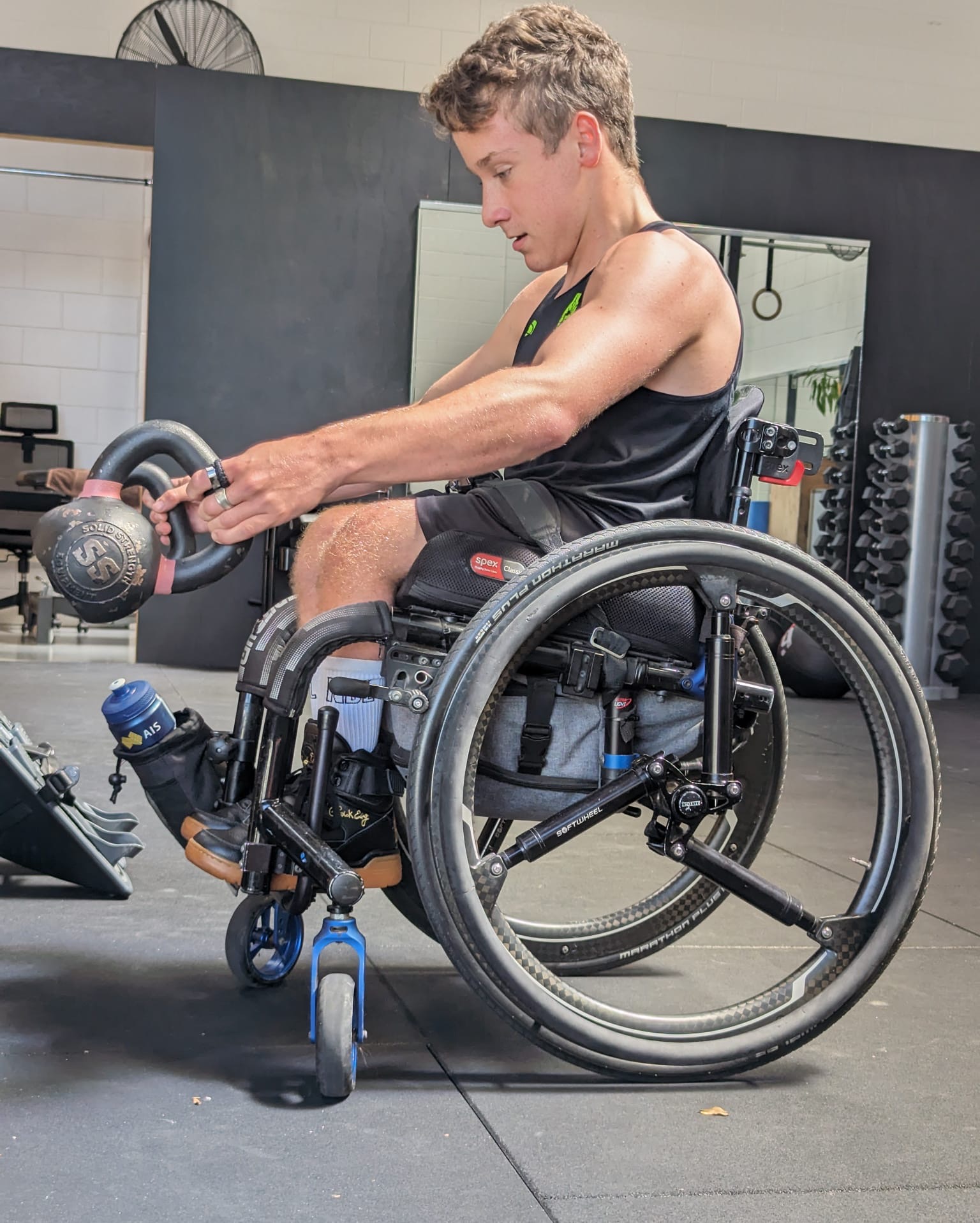
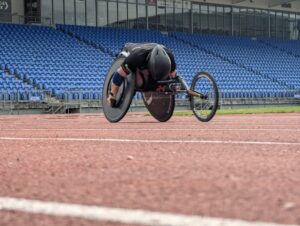
One of the first things sport taught me was how to prepare appropriately. Preparation in racing is rarely exciting. It is repetitive, detailed, and sometimes frustrating. It means turning up on days when motivation is low and trusting that the work still matters. You learn quickly that cutting corners shows up later, often when it matters most. A missed detail, a rushed session, or a lack of focus does not always punish you immediately, but it almost always catches up with you eventually.
That mindset now shows up everywhere in my life. Whether I am stepping into a speaking engagement, a leadership role, or a difficult conversation, I approach preparation the same way. Have I thought this through? Have I done the work? Have I given myself the best chance to show up calmly rather than reactively? Sport taught me that confidence is built long before the moment arrives, not in the moment itself.
Staying steady under pressure
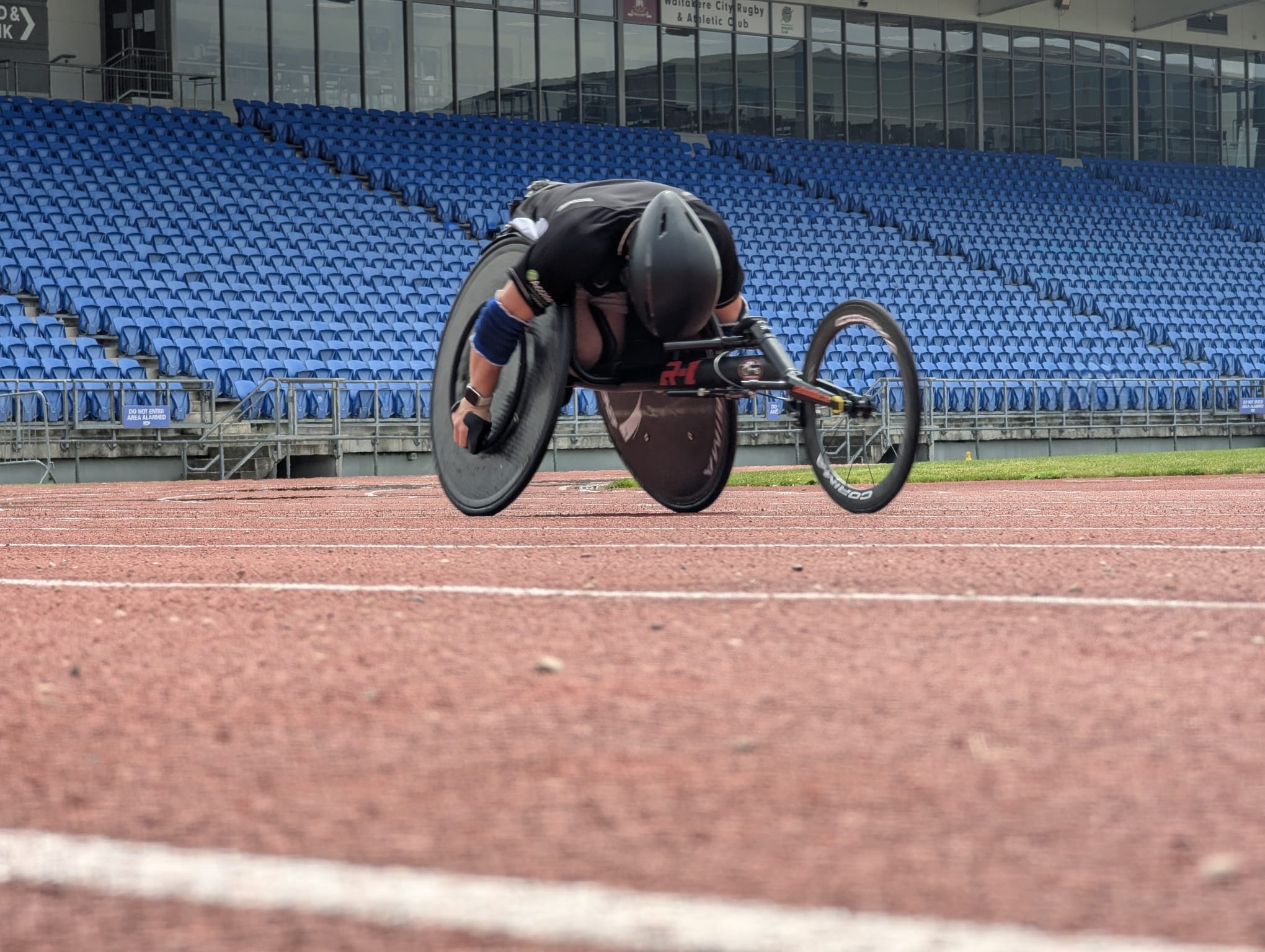
Racing is unpredictable. Conditions change. Competitors make unexpected moves. You don’t get to pause and reset once the gun goes. Over time, you learn how to regulate yourself in the moment, to respond rather than panic, and to keep making decisions even when things are not unfolding exactly as planned.
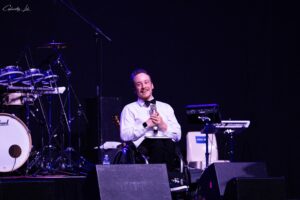
That skill has translated directly into public speaking and advocacy work. Rooms can shift. Questions can challenge you. Conversations can become uncomfortable. Staying steady in those moments matters. Sport has taught me to stay present when pressure rises, to slow my thinking rather than speed it up, and to trust my preparation rather than react emotionally. Those are skills I rely on far more often than people might realise.
Patience and long-term growth
Another skill sport taught me early on is patience. Progress in racing is rarely linear. There are blocks where things click, and others where it feels like nothing is moving at all. Learning to trust the process rather than force outcomes has been essential. Trying to rush progress usually leads to setbacks, whether physical or mental.
Off the track, that patience has helped me navigate leadership work and long-term change. Not every conversation leads to immediate impact. Not every effort is visible. Some of the most important work happens slowly, through consistency and follow-through rather than big moments. Sport taught me that growth compounds quietly, and that staying committed matters even when results feel delayed.
Using feedback to improve
I have also learned the importance of feedback. In sport, feedback is constant. Coaches, data, and results are always reflecting something back to you. You learn not to take it personally, but to use it. That mindset now shapes how I listen in non-sporting spaces. I am more open to critique, more willing to adjust, and less defensive when something does not land as intended.
Sport taught me that feedback is information, not judgement, and that improvement depends on how honestly you are willing to engage with it.
How these skills showed up this year
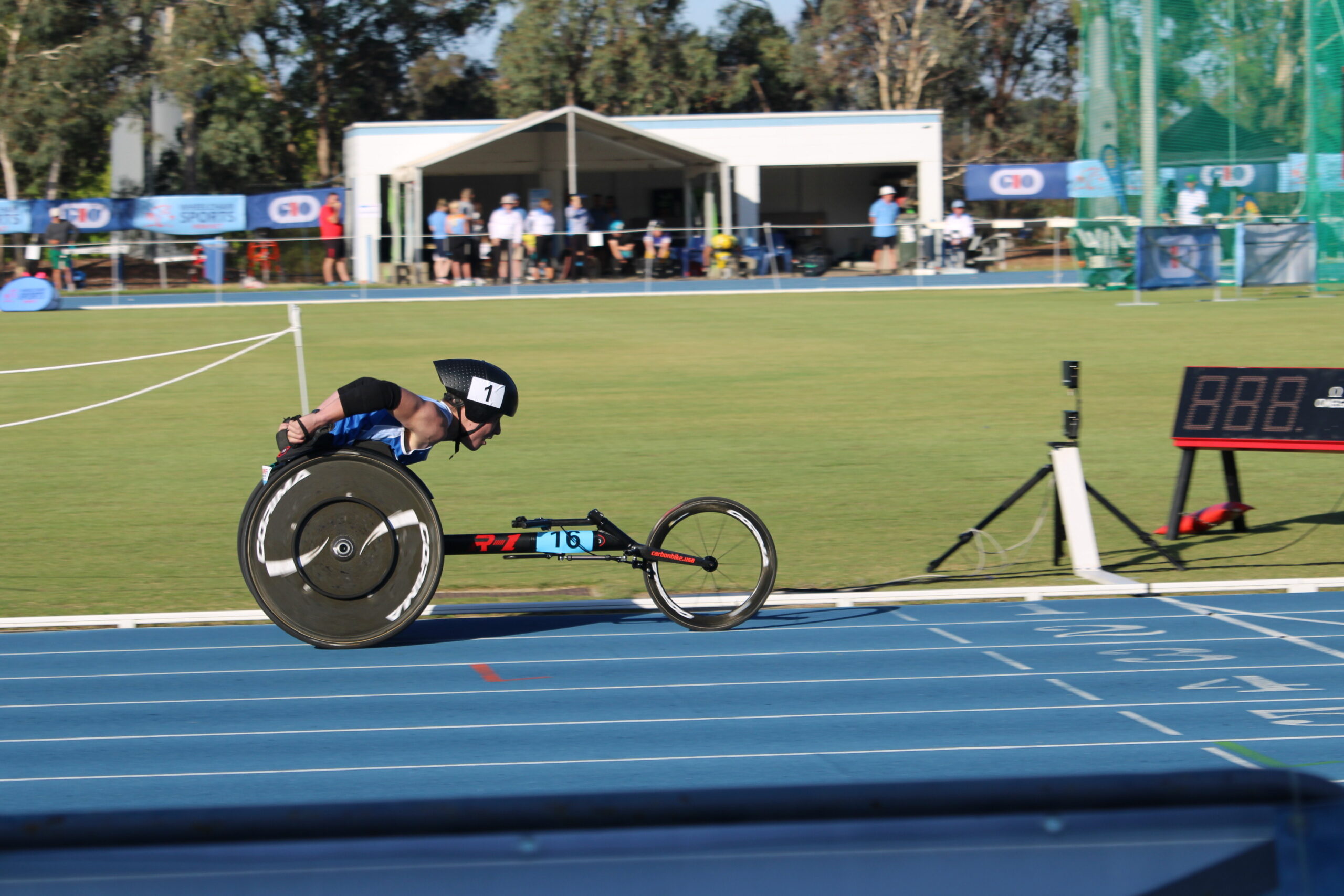
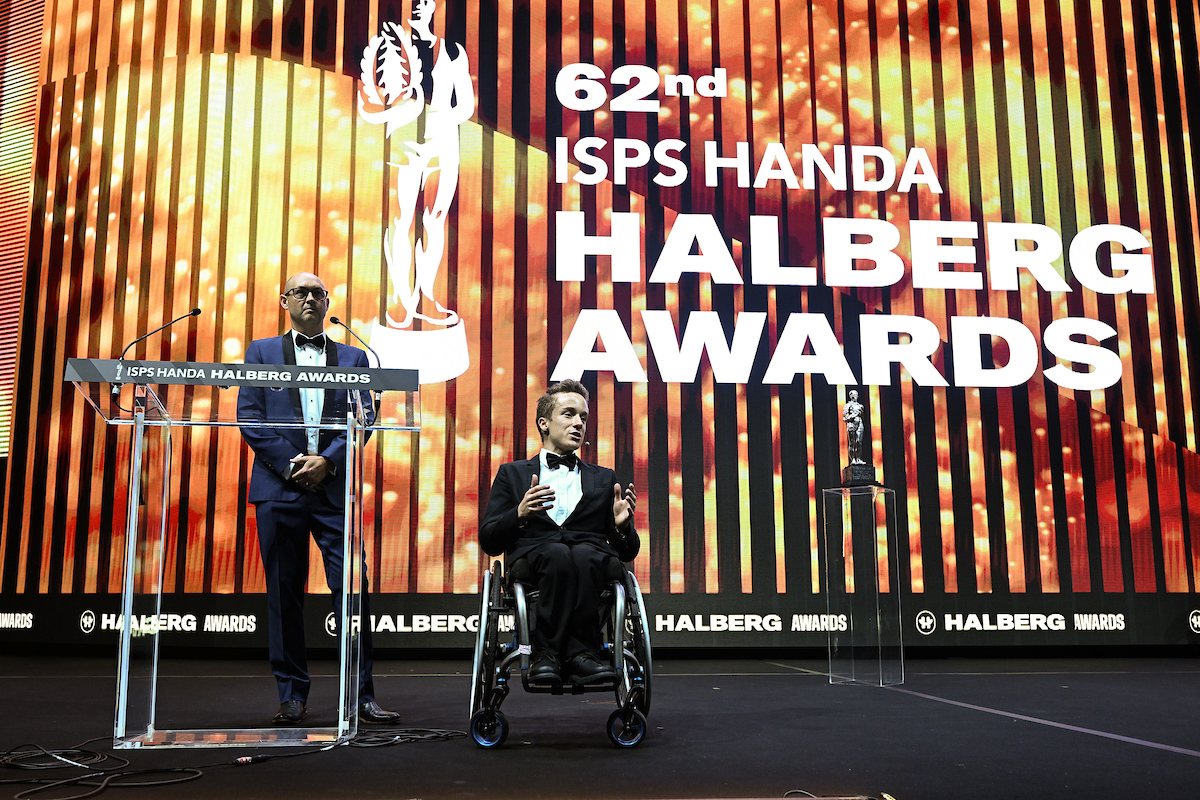
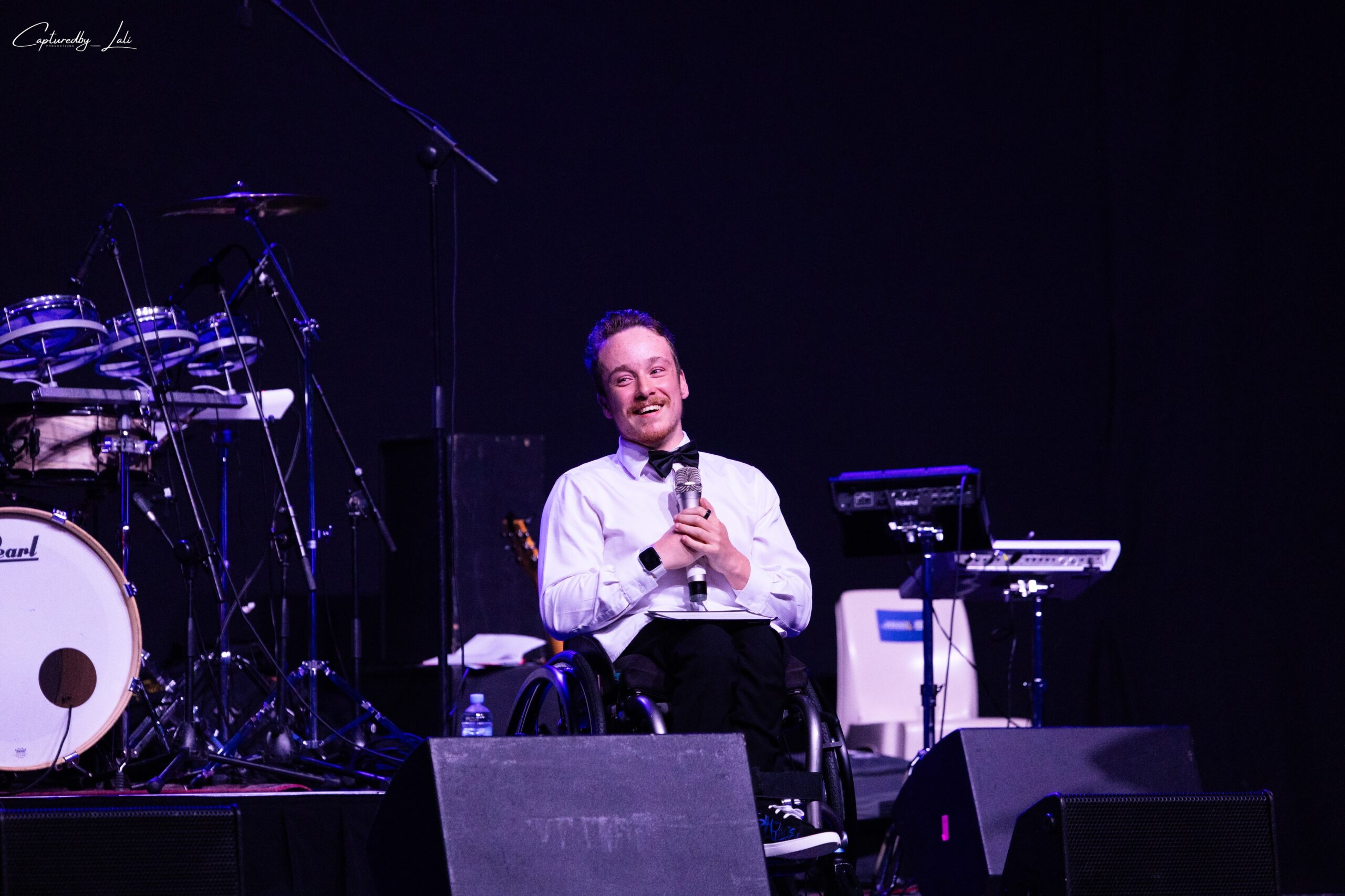
Looking back across this year, I can see how those skills were being used every day, often without me noticing at the time. They showed up when I spoke at the 62nd ISPS Handa Halberg Awards on behalf of the Halberg Youth Council, carrying responsibility into a room that mattered. They were there through international competition across Australia, Switzerland, and the UK, where preparation and composure had to hold under pressure.
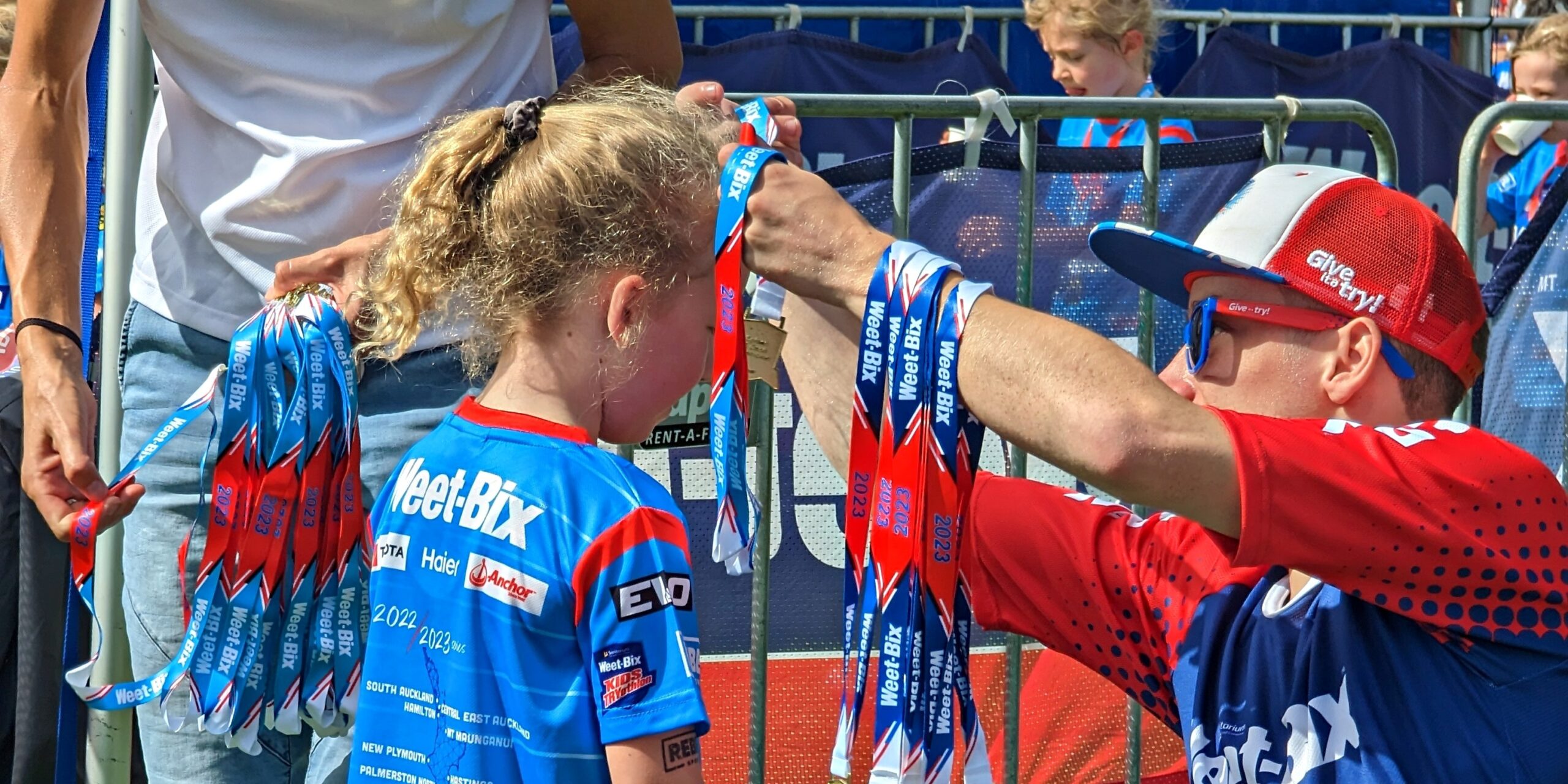
They were present in quieter personal milestones too, earning my car learner’s licence and turning 21, moments that marked growing independence as much as age. They carried through to moments of firsts, including delivering my first-ever keynote overseas in Australia for Sanitarium, where I spoke on The Power of Possible, the ultimate belief in human potential. The year did not push me to add more; it pushed me to use what I already had with greater intention.
Looking ahead
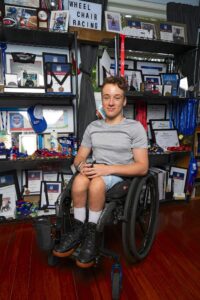
As I look ahead to the next phase of racing, starting the international racing season in Canberra in January, I am aware that I am not just carrying physical preparation into the season. I am carrying important lessons with me, too. The focus is not on proving anything new, but on applying what I have already learned with clarity and consistency.
Sport will always be part of my life, but its influence reaches far beyond the track. The skills it taught me first continue to guide how I show up everywhere else, in rooms that matter, in conversations that carry weight, and in moments that require steadiness more than speed. And that is what I will keep relying on as I roll into what comes next.